For fleet operators with depot charging, the biggest operational risk is vehicles leaving the depot without enough charge. A charging management platform for fleet-owned infrastructure ensures that every vehicle is ready for the next shift, that depot energy capacity is used efficiently, and that chargers remain reliable assets rather than operational bottlenecks.
This article explains how charging management platforms help fleets manage depot charging, optimise owned infrastructure, and integrate with fleet operations to maintain readiness.
TL;DR - key takeaways on ensuring fleet readiness through charging management
- Fleet depot charging management focuses on owned chargers, not public networks.
- The primary goal is vehicle readiness: ensuring all vehicles reach target state of charge (SoC) before departure.
- Charging management platforms monitor charger health, balance loads, and prioritise charging based on schedules.
- Integration with fleet systems enables SoC-based prioritisation, automated alerts, and accurate cost allocation.
- The result is higher uptime, lower energy costs, and more predictable operations.
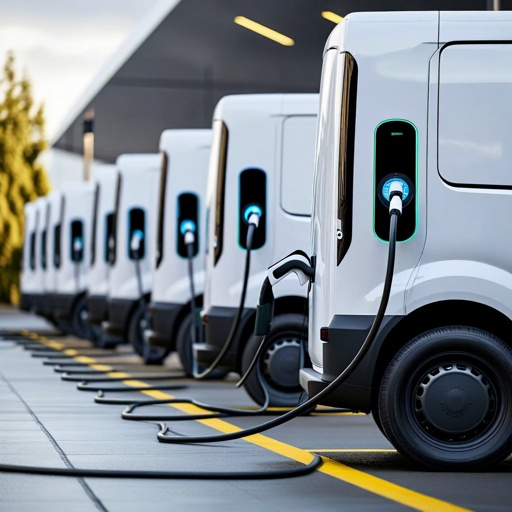
A charging management platform for fleet-owned infrastructure serves a specific purpose: keep depot chargers reliable and ensure vehicles are ready. Unlike public charging platforms that focus on driver experience and roaming, fleet platforms prioritise operational metrics such as readiness, uptime, and energy optimisation.
The platform monitors each charger's status, tracks charging sessions, and applies rules to manage how power is distributed across the depot. It also provides visibility into charger health, energy usage, and potential issues before they affect operations.
The most critical metric for fleet depot charging is readiness. Every vehicle must reach its target state of charge before its scheduled departure. A charging management platform supports this through:
- State of charge (SoC) monitoring: track battery levels for all vehicles in real time.
- Departure-based scheduling: prioritise charging based on shift times and route requirements.
- Automated alerts: notify operators when a vehicle is not charging or is at risk of missing its target SoC.
- Charger prioritisation: assign priority to vehicles with earlier departures or critical routes.
This reduces the risk of vehicles leaving the depot undercharged and minimises manual intervention from dispatch teams.
Another factor of consideration is load balancing and energy optimisation. Depot electrical capacity is often limited. If all vehicles charge at full power simultaneously, the depot may exceed its grid connection or incur high peak demand charges. A charging management platform helps optimise energy use through:
- Dynamic load balancing: Distribute available power across chargers based on real-time demand.
- Peak shaving: Reduce charging power during peak tariff periods to lower costs.
- Staggered charging: Schedule charging windows to avoid simultaneous high-power sessions.
- Energy reporting: Track total energy consumption and costs per vehicle or shift.
This allows fleets to serve more vehicles with existing infrastructure and reduce energy costs without compromising readiness.
Charger downtime directly impacts fleet operations. A charging management platform provides visibility into charger health through:
- Real-time status: know which chargers are online, charging, or faulty.
- Fault diagnostics: identify issues such as communication errors, connector faults, or power module problems.
- Maintenance alerts: flag chargers that require service or show recurring issues.
- Uptime reporting: track charger availability over time to identify underperforming assets.
This enables proactive maintenance, reduces unexpected failures, and helps fleets plan charger replacements or upgrades based on data. Fleet operators also need accurate reporting on energy costs, charger utilisation, and vehicle readiness, which a charging management platform supports through:
- Cost per vehicle or route: allocate charging costs accurately for budgeting and analysis.
- Utilisation metrics: understand which chargers are most used and which are underutilised.
- Readiness tracking: monitor how often vehicles reach target SoC before departure.
- Sustainability reporting: track emissions reductions and support ESG commitments.
This supports better decision-making and provides accountability for operational performance.
FAQ - fleet deport charging
Q: What is the difference between fleet charging management and public charging platforms?
A: Fleet platforms focus on depot charging, vehicle readiness, and energy optimisation. Public platforms focus on driver experience, roaming, and payment across networks.
Q: Do I need integration with telematics to benefit from a charging management platform?
A: No. Basic platforms can manage chargers without telematics. However, integration enables SoC-based prioritisation and more intelligent scheduling.
Q: What happens if a charger fails overnight?
A: The platform should alert operators immediately and, if integrated with fleet systems, help reprioritise charging across remaining chargers.
Q: Is this relevant for small fleets?
A: Yes. Even small fleets with depot charging benefit from visibility, alerts, and basic scheduling to ensure vehicles are ready.
If you want to ensure your depot chargers keep your fleet ready and reliable, Eigen Digital can help you design a charging management approach that fits your operations. See how Eigen Digital can support your growth