A charging network is only as efficient as the software behind it. For CPOs, fleet operators, and site owners, the difference between a profitable network and an operational headache often comes down to the capabilities of the CSMS. The right platform reduces downtime, improves utilisation, lowers support costs, and gives your team the visibility needed to scale with confidence.
This article breaks down the CSMS features that matter most if you want to boost charging network efficiency, improve charger uptime, and run a more scalable EV charging operation.
TL;DR - key takeaways on critical CSMS features for network efficiency
- A strong CSMS helps you monitor chargers, fix faults faster, and improve overall network uptime.
- Efficiency comes from combining real-time visibility, smart alerts, remote control, and reporting in one platform.
- The most important features include asset management, fault diagnostics, load balancing, tariff control, user management, roaming support, and open integrations.
- Networks that use open standards and multi-vendor support are easier to scale and cheaper to operate over time.
- The best CSMS does more than manage sessions; it helps you make better operational and commercial decisions.
A CSMS is not just a dashboard for starting and stopping charging sessions. It is the operational layer that determines how quickly you detect issues, how well you use your hardware, and how much manual work your team has to carry. If the platform is weak, teams spend more time reacting to faults, reconciling data, and working across multiple systems. If the platform is strong, charging stations become easier to manage, easier to scale, and more profitable to operate.
That is why the most effective CSMS platforms are built around efficiency. They reduce friction across the full lifecycle of the charging network, from commissioning and daily operations to billing, maintenance, and expansion.
1. Real-time monitoring and visibility
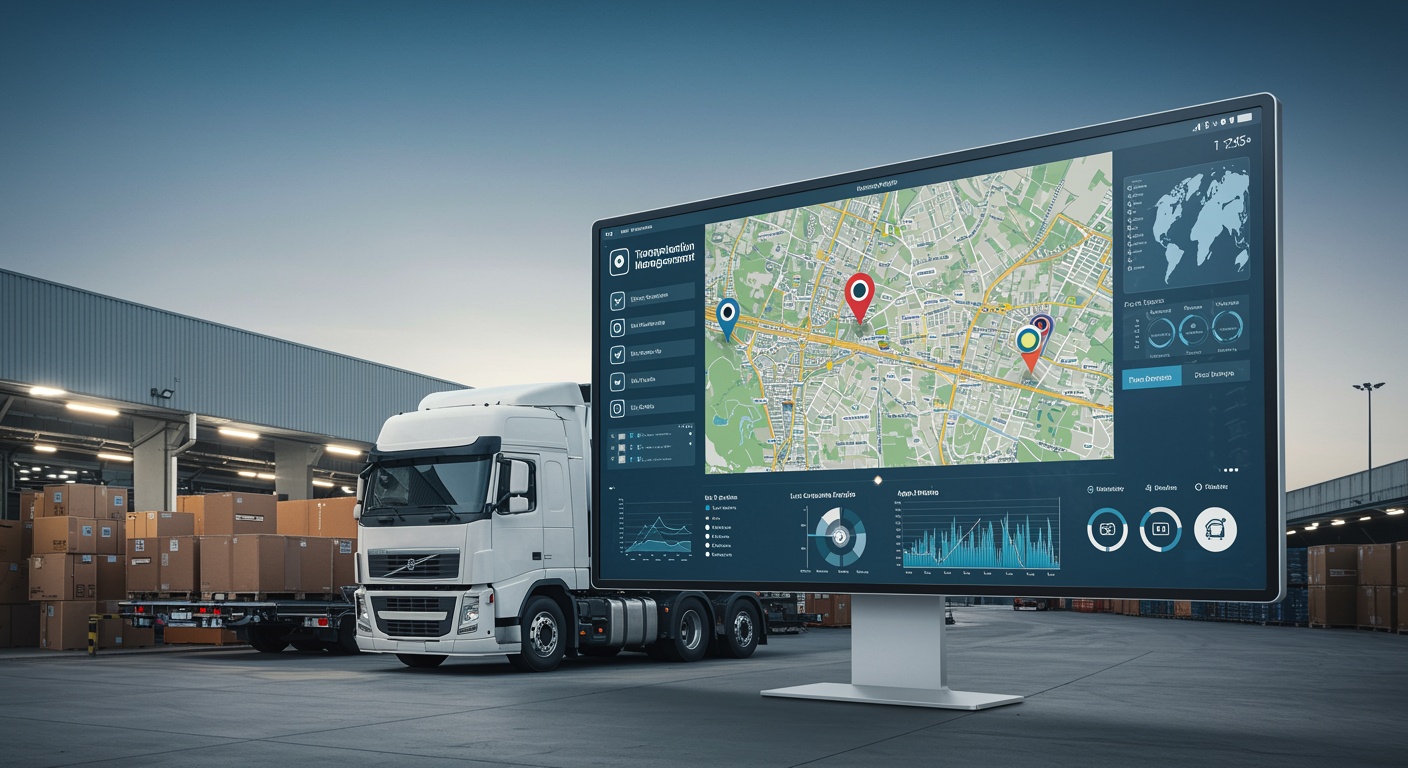
Real time monitoring is one of the most important CSMS capabilities because it gives operators immediate visibility into charger status, session activity, faults, and energy usage. Without this, teams often find out about issues only when a driver complains or a session fails. With it, operators can identify problems early and respond before they affect too many users.
This feature should go beyond simple online/offline status. A good system shows station health, connector-level activity, availability trends, and abnormal behaviour across the network. That visibility allows operators to prioritise support where it matters most and reduce unnecessary site visits.
2. Fault detection and remote diagnostics
The most expensive problems are often the ones that go unnoticed for too long. CSMS platforms that include fault detection and remote diagnostics can identify issues faster, classify them more accurately, and help teams resolve them without going onsite. That saves time, lowers maintenance costs, and improves uptime.
Look for diagnostic depth, not just alerts. The platform should help you understand whether a problem is hardware related, communications-related, software-related, or caused by usage patterns. When the CSMS can surface the likely root cause, your support team can work faster and your field engineers arrive better prepared.
3. Remote control and session management
Remote control features improve network efficiency by allowing operators to manage chargers without being physically present. This includes remote start and stop, rebooting devices, configuration updates, and access control adjustments. These tools reduce downtime and make network operations much more agile.
Session management is equally important because it affects user experience and operational consistency. A good CSMS should reliably handle authorisation, session initiation, interruption, and completion across all supported charger models. The smoother the session handling, the fewer support tickets and user complaints you receive.
4. Tariff, billing, and user management
Commercial efficiency matters just as much as technical uptime. A CSMS should make it easy to define tariffs, apply pricing logic, manage user roles, and support billing workflows across different user groups. If those functions are clumsy or fragmented, finance and operations teams end up spending too much time reconciling transactions.
Good pricing controls help operators capture revenue properly, support different business models, and create better charging experiences for drivers. Whether you charge by kWh, time, session, or a hybrid model, the CSMS should make pricing flexible and transparent.
5. Reporting and analytics
Efficiency is hard to improve if you cannot measure it clearly. Reporting and analytics features help you understand utilisation, uptime, revenue, fault patterns, charging behaviour, and network performance over time. These insights turn raw charger data into decisions that improve both operations and commercial outcomes.
Strong reporting also supports stakeholder communication. Asset owners, internal leadership, and customers all want different views of the same network. The CSMS should make it easy to generate the right reports without manual spreadsheet work.
6. Open APIs and integration
A CSMS rarely works alone. It needs to integrate with apps, payment systems, CRM platforms, asset tools, and sometimes ticketing systems or energy management software. Open APIs make that possible and reduce the risk of vendor lock-in.
This matters because charging networks evolve. You may add new chargers, new software partners, new roaming arrangements, or new operational workflows. If your CSMS is open and flexible, you can expand without rebuilding everything from scratch.
7. Multi-vendor and standards-based support
If your network uses different charger brands, your CSMS must work across them. Multi-vendor support and standards-based communication are essential if you want to avoid lock-in and keep procurement flexible. This gives you the freedom to choose the best hardware for each site instead of staying tied to one vendor ecosystem.
Open standards also make scaling easier. They reduce integration work, improve future compatibility, and help ensure your charging network remains adaptable as technology changes.
The right CSMS can turn your charging network from a maintenance burden into a scalable asset. If you want to improve uptime, simplify operations, and build a network that can grow without lock-in, Eigen Digital can help.
FAQ
What is a CSMS?
A CSMS is software that monitors, operates, and manages EV charging stations. It helps operators control sessions, view charger status, manage users, and improve performance.
How does a CSMS improve efficiency?
It reduces manual work, helps identify faults faster, improves charger uptime, and gives operators better control over energy use and site performance.
What features matter most in a CSMS?
The most important features are real-time monitoring, remote diagnostics, load balancing, reporting, open integrations, and multi-vendor support.
Why is open standards support important?
Open standards help prevent vendor lock-in and make it easier to mix charger brands, add new features, and scale the network over time.
Is CSMS the same as CPMS?
Yes, the terms are often used interchangeably. Both refer to backend software that manages EV charging stations, sessions, and related operations.