Charging networks live or die by efficiency. A good charging station management system (CSMS) turns scattered chargers into a coordinated, revenue-generating asset. The difference between a CSMS that works and one that frustrates comes down to a handful of critical capabilities that handle the real-world messiness of operations, payments, and growth.
TL;DR - critical CSMS features
A world-class CSMS needs these six non-negotiable features: real-time monitoring that actually tells you what's wrong; open protocol support (OCPP/OCPI) so you're not locked in; dynamic load management to cut energy costs; session analytics that reveal utilisation gaps; automated fault detection and remote recovery; and flexible tariff management that responds to demand. These aren't just nice-to-haves, they're what separates networks that scale from those that drown in operational debt.
1. Real-time monitoring that surfaces solutions
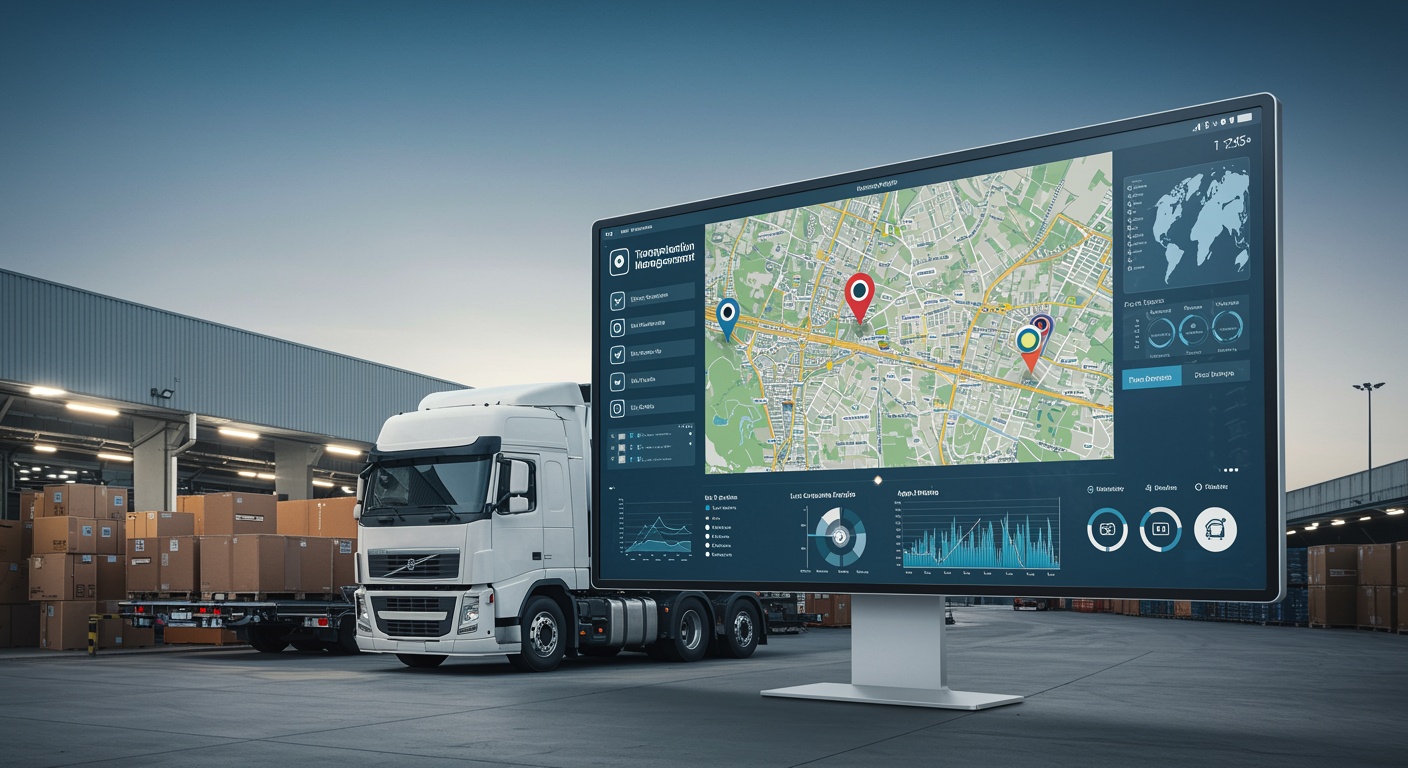
Most basic dashboards show a simple uptime percentage. However, true efficiency requires monitoring that tells you exactly why a charger failed. Look for systems that capture connector-level status along with precise timestamps. A world-class CSMS provides structured error codes that map to actual failure modes rather than generic error messages. The goal is actionability, knowing immediately whether to reboot the unit remotely, dispatch a technician with specific parts, or contact the hardware vendor.
2. The freedom of open standards
Proprietary protocols are a death sentence for a scaling network. A future-proof CSMS speaks OCPP (Open Charge Point Protocol) for hardware control and OCPI (Open Charge Point Interface) for roaming and integration with apps. This interoperability allows you to mix and match charger brands without custom IT projects. More importantly, it ensures you can switch software providers later without replacing your physical hardware. When evaluating vendors, ask for a hardware compatibility matrix and protocol certificates.
3. Dynamic load management
Electricity is rarely a flat cost, and in many regions like Singapore, demand charges can be punishing. A CSMS with Dynamic Load Management (DLM) acts as a smart traffic controller for electricity. It monitors the total site consumption in real-time and allocates power intelligently across active chargers. Key capabilities include peak demand avoidance and time-of-use optimization. If your site peaks at 100kW but your contract is capped at 80kW, the penalties can cost hundreds of dollars monthly. Good load management often pays for itself within three to six months.
4. Session analytics: measuring true performance
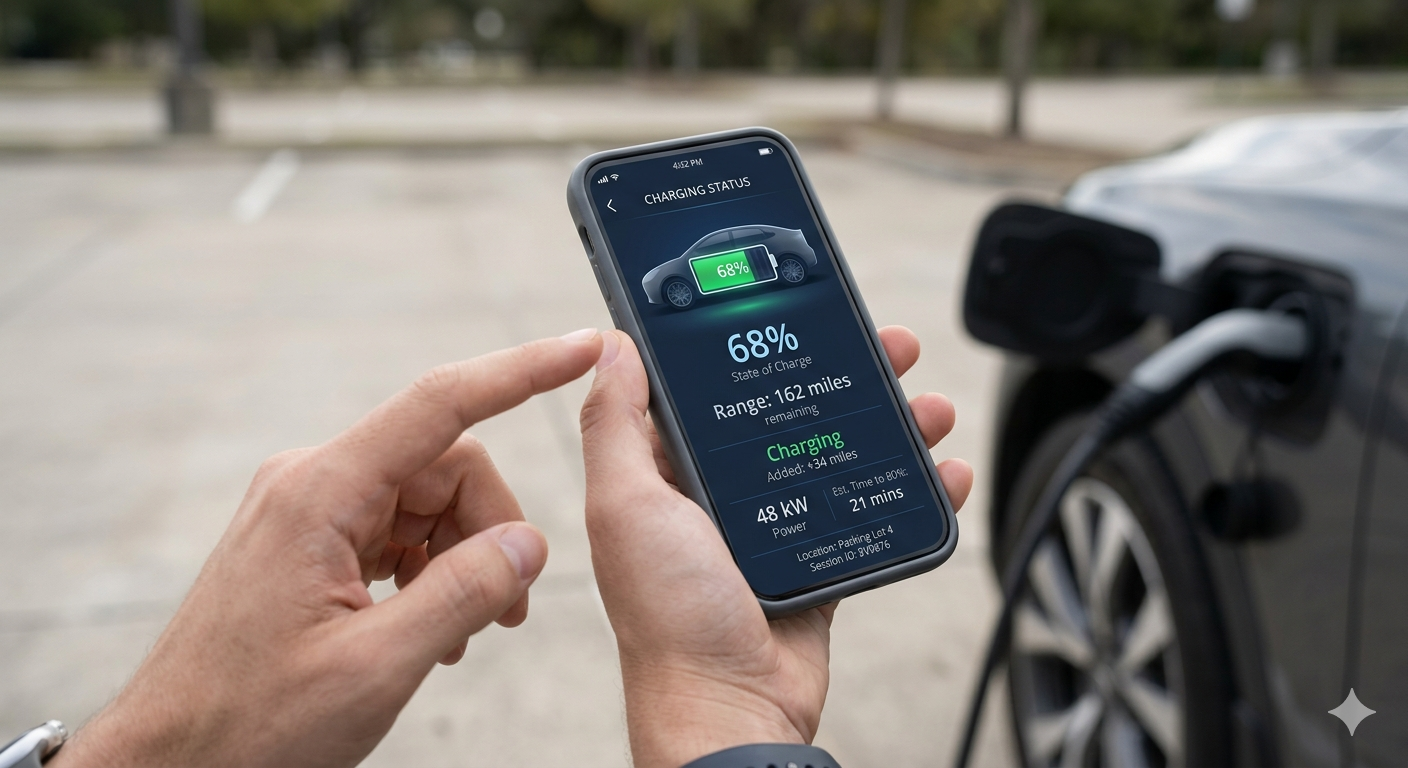
Revenue comes from completed sessions. Key performance indicators should include your Session Success Rate (which should be over 95%), energy dispensed per session, and revenue per available connector. The best CSMS platforms segment this data by site type, time of day, and user group. This level of detail tells you which retail malls are underutilized during lunch, which office chargers need a promotional push, and which DC units are underperforming due to temperature derating.
5. Automated fault detection and recovery
Manual monitoring is impossible at scale. Your software should automatically detect fault patterns and attempt a recovery sequence before alerting a human. This includes remote reboots, firmware rollbacks, or connector swaps. Leading systems reduce truck rolls (dispatching physical maintenance vans) by 40-60% through these automated remote recoveries.
6. Flexible tariff management
Pricing strategies must be agile. Whether you are adjusting for a competitor's price drop or responding to changing grid tariffs, your CSMS should allow you to push changes instantly. Modern systems support tiered pricing, idle fees, and subscription models for loyal users. Dynamic pricing can boost revenue by 15-25% while smoothing out demand patterns.
FAQ: charging station management
Q: Do I need a different CSMS for different charger brands?
Not if you choose an OCPP-compliant system. A single, unified CSMS like Eigen Digital's platform can manage various hardware brands simultaneously, giving you a centralized view of your entire network.
Q: How does a CSMS help with roaming?
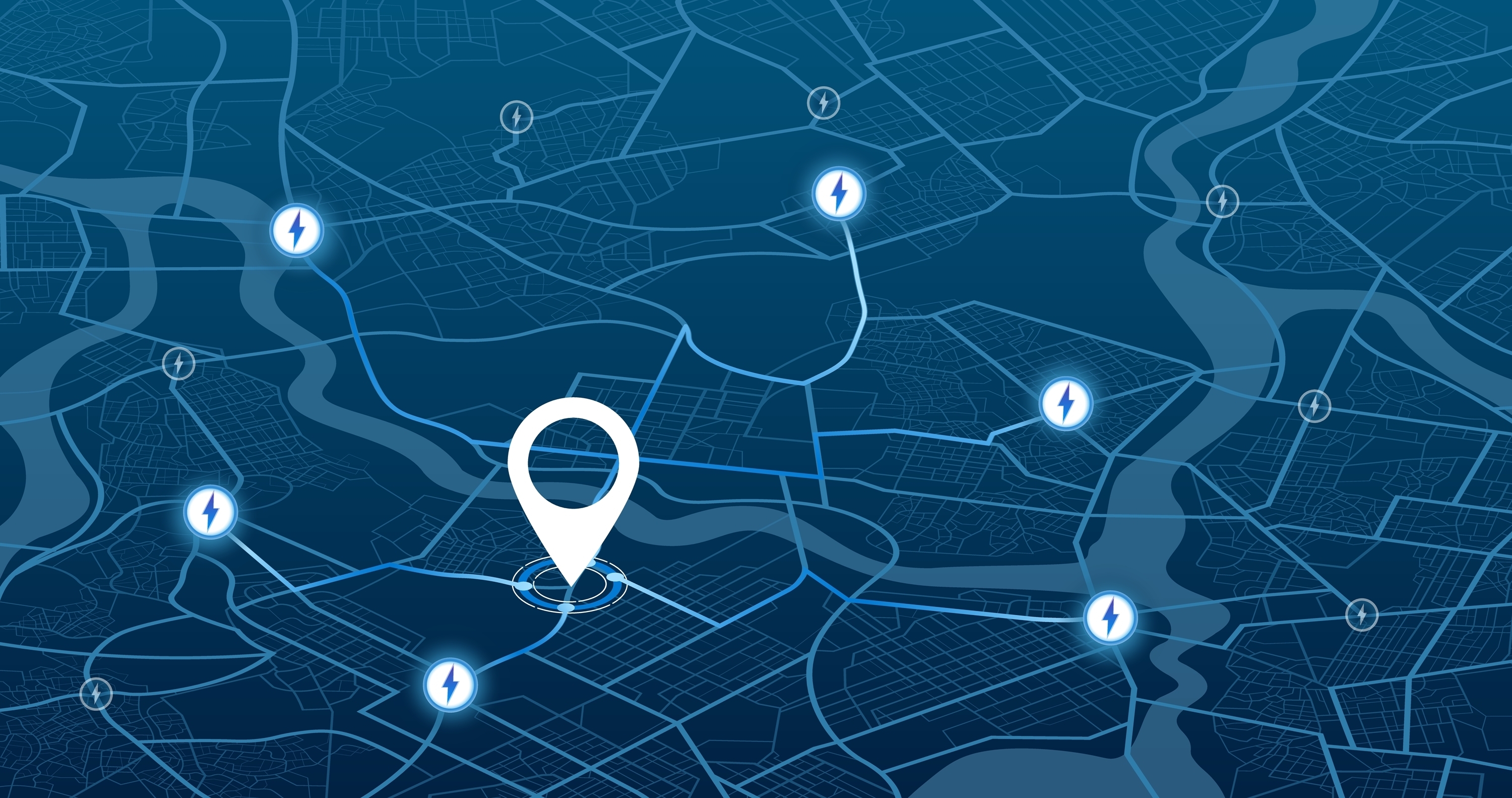
Through the OCPI protocol, a CSMS allows your chargers to be visible to other apps. Joining an aggregator means drivers from other networks can find, use, and pay for your chargers, immediately increasing your utilization rate.
Q: Is Smart Charging the same as Dynamic Load Management?
They are related. Smart charging is the broad concept of controlling a charging session, while DLM is the specific technical application of balancing power between multiple chargers to protect the building's electrical infrastructure.
These features do not just work individually, they compound. Real-time monitoring combined with automated recovery keeps chargers online longer. High uptime attracts more sessions. Detailed analytics then enable smarter pricing strategies, which in turn drive higher revenue. Ready to see these features in action? Book a demo with Eigen Digital today.