The business case for EV fleets is increasingly clear: lower total cost of ownership, reduced emissions, and better alignment with corporate sustainability goals. Yet, many projects stall because employees are unsure how EVs will affect their day-to-day work. Drivers, fleet managers, dispatchers, and finance teams all experience change: from refuel anywhere to planned charging, from fuel receipts to digital session data. Preparing employees effectively reduces risk, speeds up adoption, and turns early sceptics into internal champions.
TL;DR - Key takeaways to preparing employees for a smooth transition to EV fleet
- Start with education and clear communication: explain why you're electrifying, what changes, and what stays the same.
- Map new workflows for drivers, dispatch, HR, and finance, then support them with simple tools and policies.
- Remove day-to-day friction: plan charging (depot, workplace, public, home), define reimbursement and usage rules, and make everything easy to access in one place.
- Use data and feedback loops to refine routes, charging behaviour, and training over time.
- Position electrification as a benefit, not just a compliance exercise.
Anchor the transition in a clear narrative
The first step in preparing employees for electrification is explaining why the organisation is making the transition. Organisations often electrify fleets to reduce carbon emissions, lower long-term operational costs, meet sustainability commitments, and align with government regulations or incentives. When employees understand these motivations, they are more likely to support the initiative rather than see it as a disruption. Leadership should communicate the fleet transition early and provide regular updates as the programme develops.
Identify who is impacted and how
Drivers and dispatch: they need to understand vehicle range, charging workflows (depot, workplace, public), and how assignments may change. Dispatch needs visibility into state-of-charge and charging schedules.
Fleet and operations managers: they will manage new KPIs: charger uptime, charging utilisation, vehicle availability, and total energy spend.
Finance and payroll: processes change from fuel cards and paper receipts to charging data feeds and possible home/public charging reimbursements. Clear rules and automation will be critical.
HR and sustainability teams: they'll use fleet electrification as a key proof point in ESG reporting, employer branding, and employee engagement campaigns.
Provide focused, role-specific training
Knowledge reduces anxiety. For many employees, driving an electric vehicle will be a new experience. A short orientation covering how EV charging works, differences between fast and slow charging, understanding vehicle range, efficient driving practices, how to locate and access charging stations, and shared EV charger charging etiquette can make the transition more comfortable.
Fleet-specific operating guidelines: For drivers: when to charge, where to charge, what minimum state-of-charge to maintain. For dispatch: how to factor charging into route planning and shifts. For operations: how to interpret utilisation and energy reports.
Design clear charging workflows
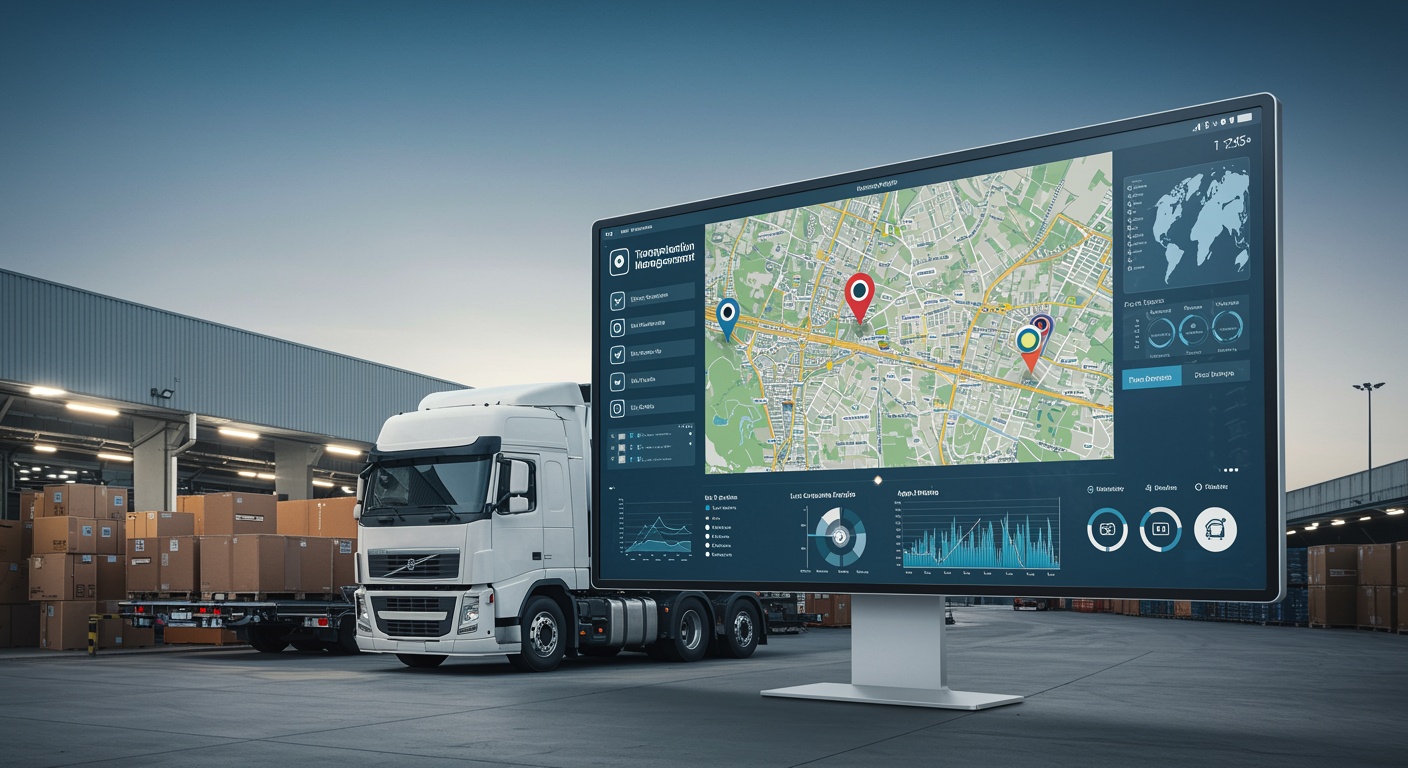
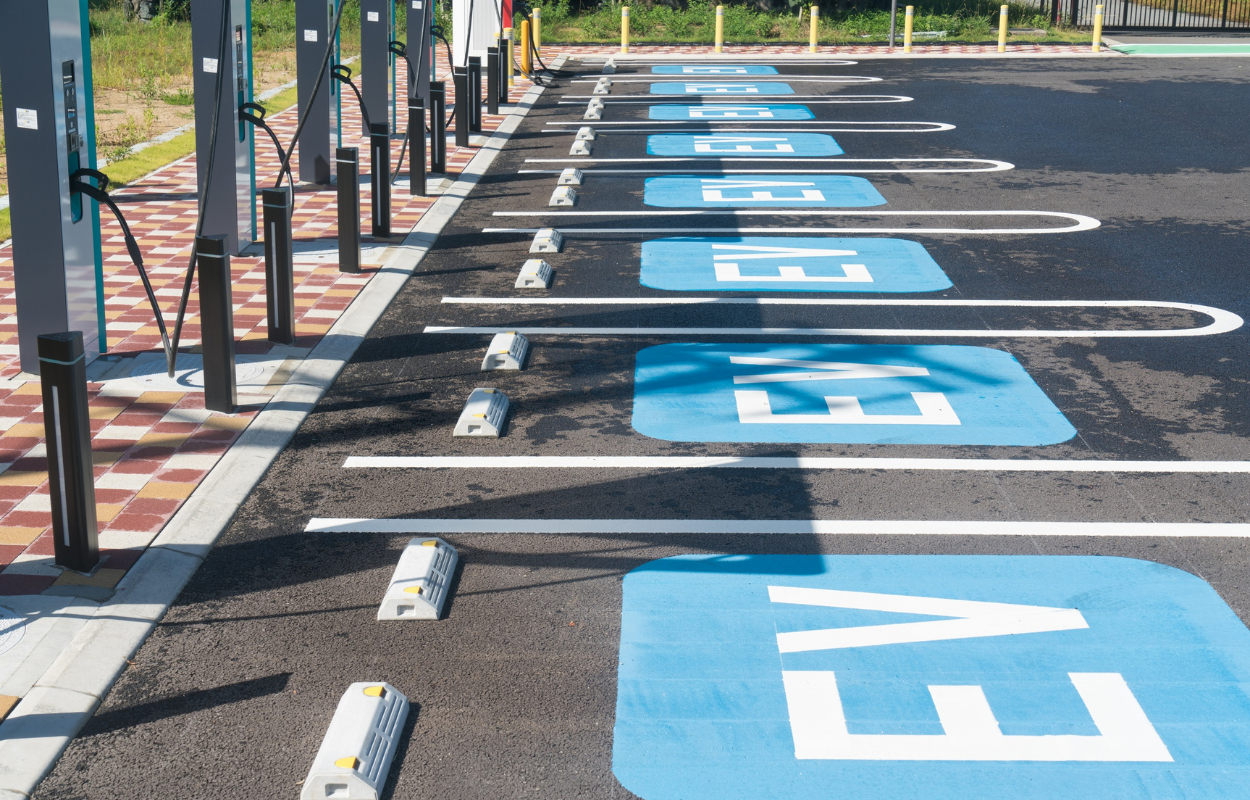
Depot charging: Define when vehicles must plug in, how to prioritise chargers when there are more vehicles than ports, and who is responsible for ensuring vehicles are ready for the next shift. Use scheduling and visibility tools to provide dispatch and depot managers with a dashboard showing which vehicles are charging, when they will be ready, and which are queued.
Workplace charging: Decide whether employees can charge personal EVs at work and under what conditions. Make it straightforward to start a session and offer a simple guide for new EV users.
Public charging and roaming: Identify preferred roaming networks and give drivers a consistent way to authenticate. Set rules about when to use public charging to support operations, not replace planning.
Home charging (if applicable): Clarify who can install home chargers at company expense, what hardware is approved, and how reimbursements work. Decide how kWh are tracked and how reimbursements appear on payroll.
Simplify reimbursement, reporting, and admin
If employees feel that electrification adds paperwork, you'll lose buy-in. Aim for invisible administration. Replace manual receipts with data; use tools that automatically capture depot, workplace, and public charging sessions, mapping them to vehicles and drivers. Standardise reimbursement flows with monthly automated reimbursement for home charging based on verified energy usage and direct billing to the company for public charging where possible. Make cost allocation transparent by showing how charging costs roll up to cost centres, routes, or customer projects.
By communicating clearly, providing training, and supporting employees with the right tools, organisations can make the transition to electric fleets smooth and successful. When employees feel confident using EVs and charging infrastructure, fleet electrification becomes not just a sustainability initiative but a natural part of everyday operations.