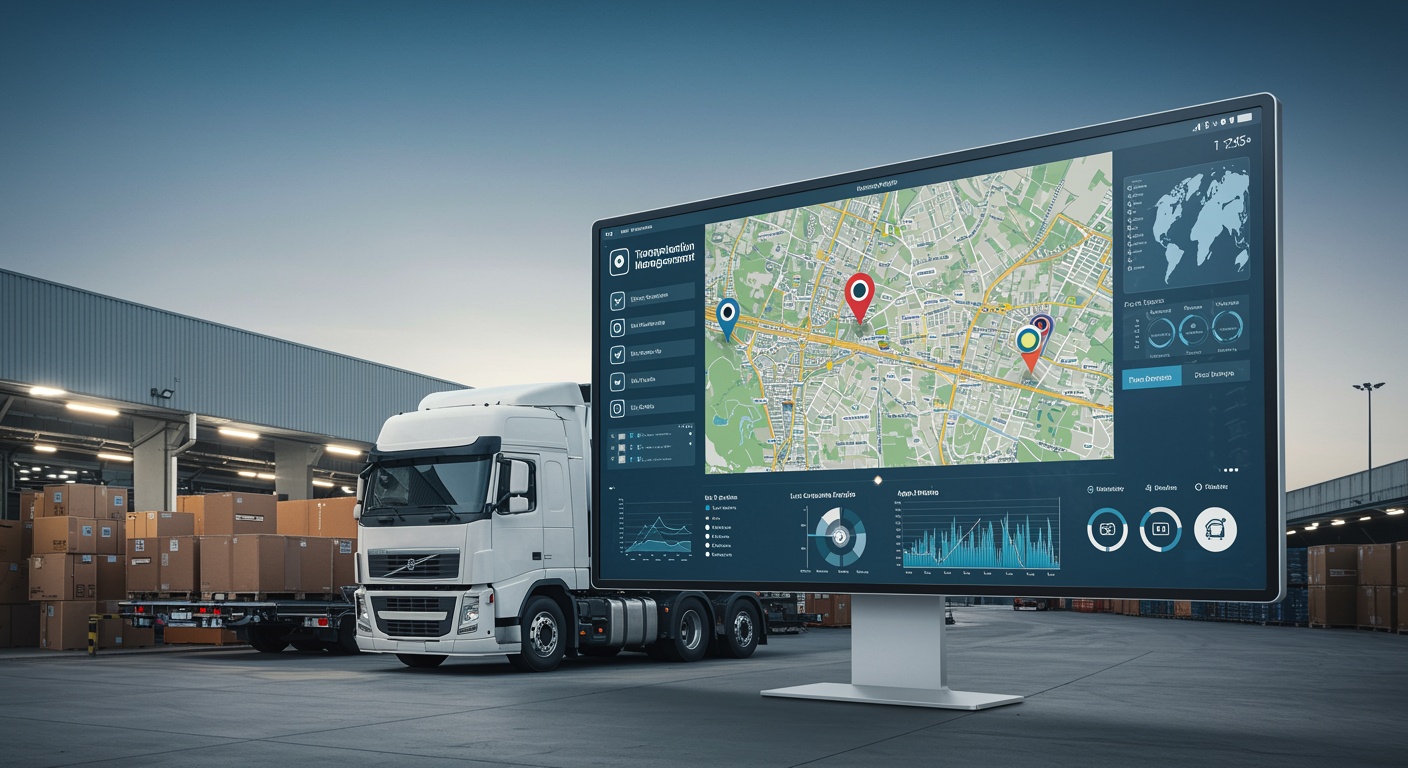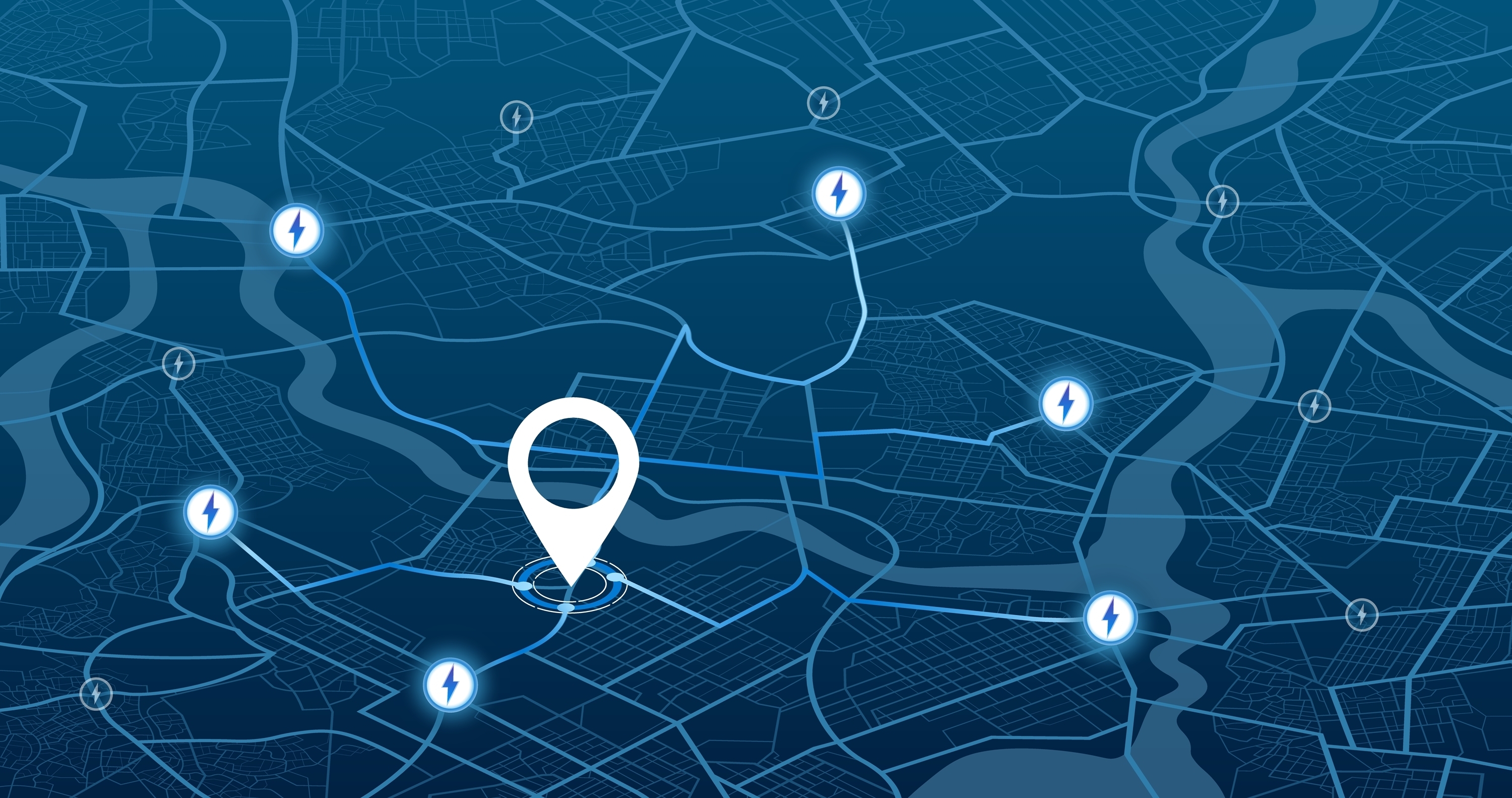
Choosing the right backend system for public EV charging points is critical for keeping chargers online, making sites profitable, and delivering a smooth driver experience. The backend effectively becomes your command centre: it connects chargers, apps, payments, and analytics into one operational layer. This guide walks through the key requirements to consider before you commit.
1. Mandatory technical requirements (future-proofing first)
Before looking at dashboards or apps, make sure the technical foundations are sound. If these are missing, everything else becomes harder and more expensive later.
OCPP compliance (1.6J or 2.0.1): Your backend should support the Open Charge Point Protocol (OCPP) as a baseline. This keeps you hardware-agnostic, so you can mix charger brands, change suppliers, and still use a single backend. Without OCPP, every charger change becomes a bespoke project and you risk long-term vendor lock-in.
Cloud-based architecture: Public charging needs 24/7 visibility and control. A cloud-based backend allows remote monitoring, diagnostics, and over-the-air firmware updates without rolling trucks for every issue.
Scalability by design: Even if you start with a handful of chargers, your system should comfortably handle growth to dozens or hundreds of points across multiple sites.
2. Core functional features for public charging
Dynamic Load Management (DLM): When multiple vehicles are charging at once, unmanaged load can push a site over its electrical capacity or trigger demand penalties. The backend should support DLM, allocating power intelligently between chargers based on real-time conditions and priority rules.
Flexible payment and billing: Public users expect payment to just work. Your backend should support multiple payment methods (cards, app, QR, contactless terminals), different pricing models (per kWh, per minute, per session, idle fees), and tax and invoice handling appropriate for your jurisdiction.
Roaming capabilities (OCPI or equivalent): To maximise utilisation, your chargers should be discoverable and usable by drivers from other networks. Support for protocols such as OCPI enables roaming: your chargers appear in multiple apps and platforms, while the backend handles authorisation, tariff exchange, and settlement in the background.
Real-time monitoring and remote diagnostics: You should be able to see, at a glance, whether each connector is available, in use, reserved, or faulted. Look for live status per connector, event logs and error codes, and remote commands (restart charger, reset connector, change configuration).
3. User experience for both drivers and operators
A backend needs to be a technical system that shapes how drivers and your own team interact with the network. The experience should be simple to find the right charger, clear on pricing and availability, and fast to start and pay for a session. On the operator side, your backend must provide clear reporting on uptime and session success rate, utilisation (sessions per connector per day, kWh delivered), and revenue by site, tariff, or customer segment.
4. Security and compliance
Public charging touches payments, user data, and sometimes corporate networks. Look for alignment with recognised security frameworks (e.g. ISO 27001) and data protection practices. This includes secure data storage, role-based access controls, and clear incident-handling processes. While still emerging, ISO 15118 (Plug and Charge) allows vehicles and chargers to authenticate automatically when plugged in. If your market or vehicle mix is moving in this direction, it's worth choosing a backend that has a roadmap or existing support.
5. Evaluation checklist for backend vendors
When you speak with vendors, use questions that reveal how the system behaves in the real world: Can I onboard chargers from multiple manufacturers on the same platform without custom development? Do you provide automatic 24/7 monitoring and alerting for charger faults? What can be resolved remotely versus requiring a site visit? How do you handle failed payments, refunds, and disputes in practice? Is your pricing model transparent? Are there any additional fees for roaming, new integrations, or premium support?
A backend for public EV charging is more than a piece of software; it's the operational heart of your network. The right system will keep chargers online and traceable, make payments simple for drivers and clean for your finance team, and allow you to expand hardware, partners, and services without starting over. If you focus on open standards, clear operational capabilities, robust reporting, and a transparent commercial model, you'll be in a strong position to grow a reliable public charging network. At Eigen Digital, we build services that work for you. If you are ready to offer your customers the best EV charging services, reach out for a demo.