Efficient EV network management blends technology, operations, and user experience into a single ecosystem. With the right processes and systems in place, operators can improve charger availability, reduce downtime, boost energy throughput, and scale sustainably without increasing manpower or complexity. We break down the best practices that every charging operator should adopt to maintain a high performing, cost efficient, and future ready charging network.
TL;DR - takeaways on efficient EV network management
- EV network management spans three domains: operation reliability, energy and load management, and user experience.
- The foundation of an efficient network is proactive monitoring, predictive maintenance, and data driven decision making.
- Operators should track KPIs like uptime, session success rate, utilization, energy throughput, and load usage patterns.
- Implementing dynamic load balancing, smart pricing, and automated fault alerts drastically reduces running costs and improves performance.
- Scalable network management requires a unified charge management platform.
Build on proactive monitoring, not reactive troubleshooting
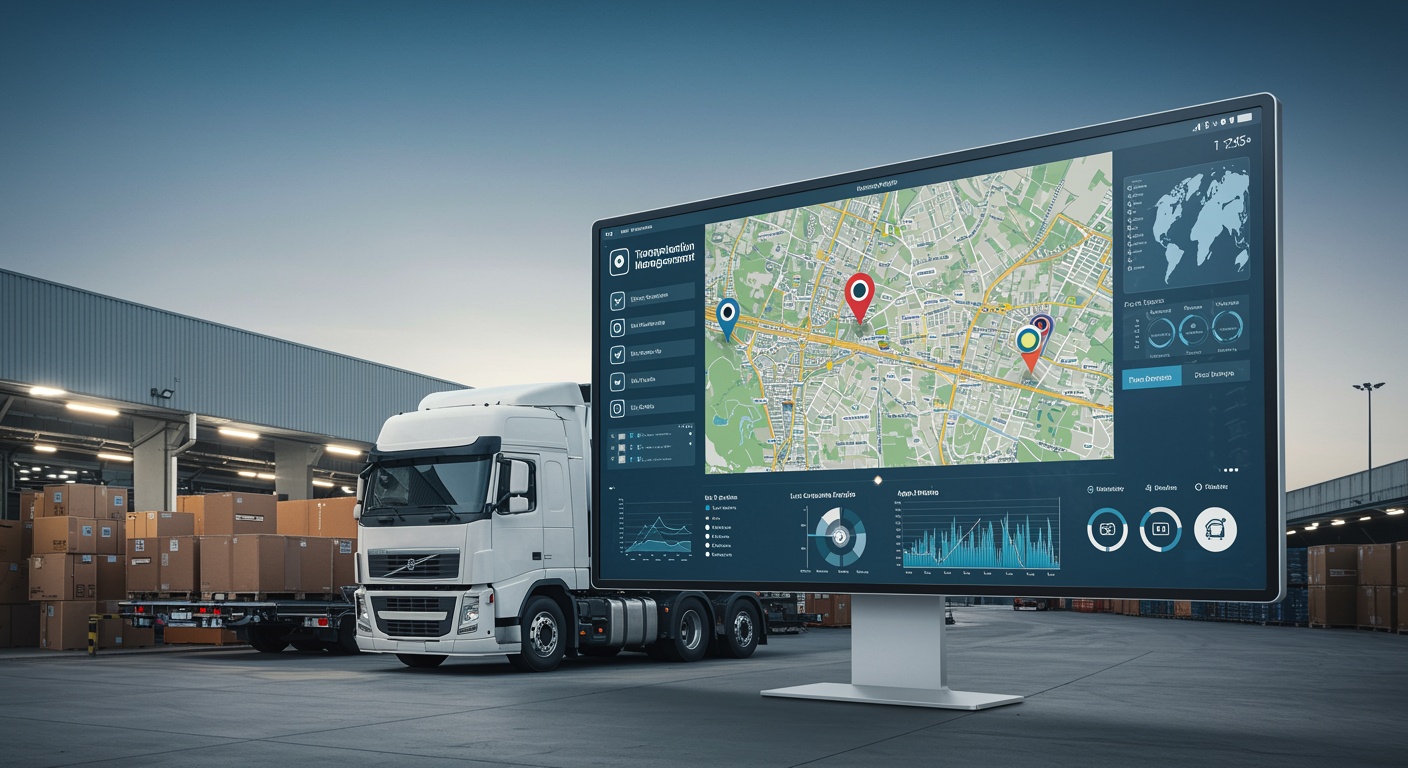
Most network issues escalate simply because they are discovered too late. Chargers appear down only when a driver reports it, or worse, when multiple failed sessions stack up unnoticed. Efficient networks rely on real time monitoring that surfaces live charger availability, error codes and soft faults, session anomalies, communication instability, and power delivery fluctuations. With continuous monitoring, operators can intervene early, creating a consistent, reliable experience that directly boosts network reputation and utilization.
Adopt predictive maintenance
Traditional maintenance cycles are too rigid. Some chargers need attention earlier; others continue to perform well beyond scheduled checks. Predictive maintenance uses data to anticipate issues such as temperature spikes, declining power output, slower handshake communication with vehicles, repeated soft faults, and cooling system inefficiencies. By focusing maintenance where it is actually needed, operators reduce both downtime and manpower costs while extending the lifespan of charging hardware.
Optimize energy through smart load management
Energy is one of the highest operating costs for EV networks, especially for fleet depots and fast-charging hubs. Efficient energy use requires smart load management strategies including Dynamic Load Balancing to ensure fair and efficient power distribution across chargers, preventing overloading and optimizing charging speeds; Peak Shaving to reduce demand spikes that trigger higher utility fees; and Scheduled Charging for fleets and workplaces to allow operators to charge during off-peak hours or when renewable energy is available. These strategies turn the grid connection into a flexible asset rather than a constraint.
Use utilization insights to drive network expansion and optimization
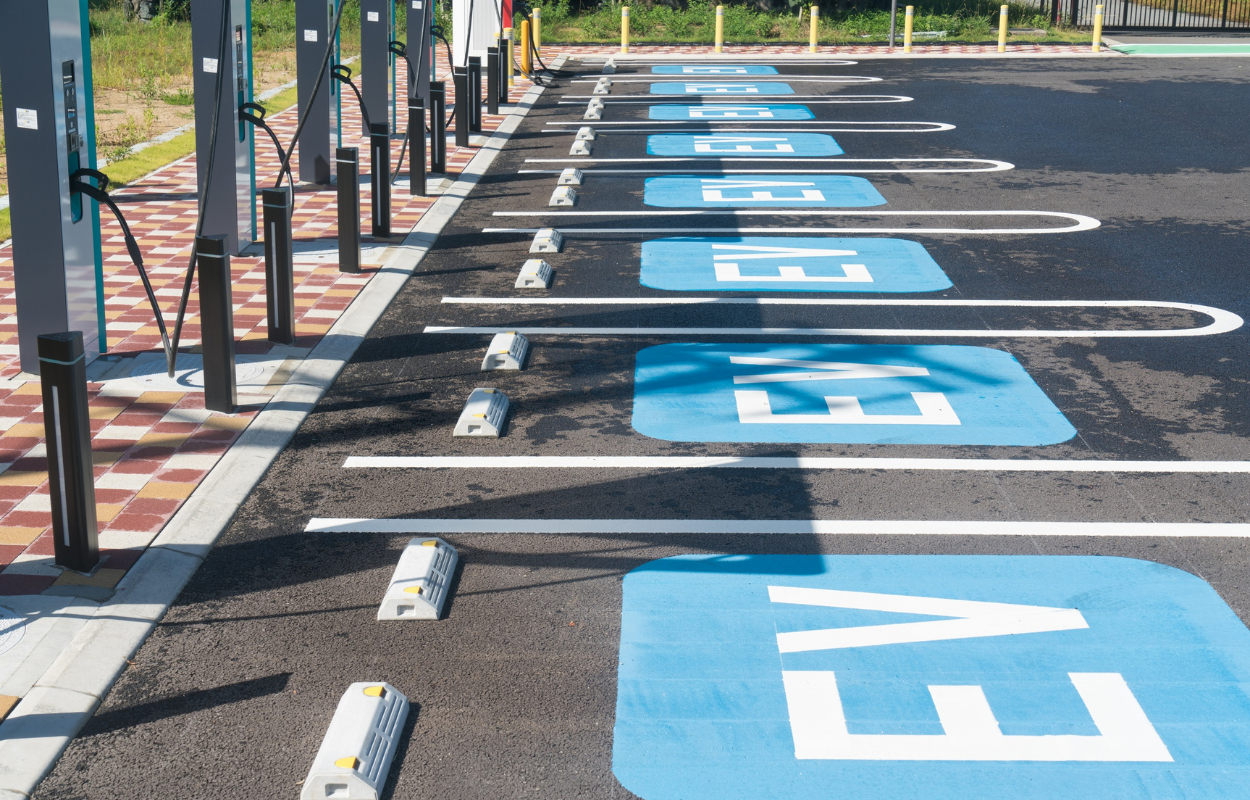
Not all chargers perform equally. Some bays become hotspots, while others remain idle. Efficient network operators rely on data driven insights to make infrastructure decisions, such as when to add chargers, where to redistribute capacity, how to adjust pricing, and how to redesign charging bays. Consistently overutilized chargers may indicate you need higher-speed DC units, while underutilized ones may need better signage, pricing adjustments, or improved visibility through apps and maps.
To find out more about what kind of insightshelp you drive network optimisation, read our article on Maximizing Charging Station Performance.
Ensure high session success rates with robust firmware and interoperability
EV charger reliability depends heavily on stable firmware, smooth communication between the EV and charger, reliable OCPP backend connections, consistent payment gateway uptime, and seamless RFID or app-based authentication. Achieving this requires standardizing firmware updates across your entire network, using a unified charging management platform to maintain consistency, validating compatibility across different EV models, and continuously monitoring communication between the EV, the charge point, and the charge point management system. Regular testing is essential to prevent disruptions and maintain a trusted charging experience.
Prioritize interoperability for scalability
As EV adoption grows and charging ecosystems evolve, networks that rely on proprietary or closed systems will face increasing limitations. Prioritizing interoperability from the start means adopting OCPP-compliant hardware and software, supporting OCPI for roaming and integration with eMSPs, ensuring your CSMS can connect with external platforms, fleets, and partner networks without custom development, and planning for emerging standards such as ISO 15118 for Plug and Charge. Open systems allow you to scale without rearchitecting your stack every time a new partner, use case, or regulatory requirement emerges.
Efficient EV network management is not a one-time setup, it is an ongoing practice that requires the right tools, data, and processes working together. By adopting proactive monitoring, predictive maintenance, smart energy management, utilization analytics, and open interoperability standards, operators can build networks that are reliable, profitable, and ready for long-term growth. Eigen Digital's charge station management platform is designed to support operators at every stage of this journey. Contact us to learn how we can help you optimise your network.